
Case Study: Supporting Bryan to lead his bicultural school with mana and confidence, whatever challenges come his way
When I began coaching Bryan Rehutai, he’d just returned home to Aotearoa from several years teaching overseas. His pathway into leadership, therefore, was not entirely conventional.
Moving from a grade leader position in Dubai to a senior leadership role of a small rural school here, Bryan had the advantage of a fresh perspective. Yet he had to also quickly learn on the job how to skilfully and confidently manage the unique demands of leading within the New Zealand education context.
For the first time in his career, Bryan was entering a stage of leadership where his decisions carried far-reaching organisational impact. He wanted to do it right: to build trust, to lead with integrity, and to communicate effectively. If that wasn’t enough, he also had to navigate the complexities that come with leading adults – a significant shift in mindset and self-belief from teaching children – all while shaping and leading school-wide improvement.
As his leadership responsibilities grew, Bryan saw the value of having a trusted thinking partner to accompany him on his professional development. He wanted coaching to refine his communication, enrich his leadership practice, and develop best-practice approaches to bring people together over a shared vision, alongside maintaining strong and mana-enhancing relationships.
From the very beginning of our coaching relationship, it was obvious to me that Bryan was driven to lead with positivity and curiosity. In times of high stress, which is common in leadership, it’s easy to slip into punitive approaches or deficit thinking. But Bryan was clear that no matter the content or challenging nature of the conversation, he wanted them to enhance mana and build trust.
Through role play and scripting, we set to work on refining his communication, while staying true to his principles. Drawing on leadership theory, I introduced him to the work of internationally acclaimed educator, Joan Dalton (Learning Talk Series) and American author, Patrick Lencioni (for managing teams and building unity).
Over time, our coaching conversations have evolved from addressing day-to-day leadership challenges to exploring and reflecting on broader questions of organisational culture, strategic direction, and influencing improvement at scale.
From deputy to principal – Bryan continues to draw on leadership theory and best practice
In 2023, Bryan made the leap from deputy to principal as he became the Tumuaki of Te Uru Karaka Newton Central School, a primary school with around 350 students on the roll.
Lencioni’s “One Team” approach is something he keeps returning to at the start of each year when he re-inducts his deputy principals. He finds it instrumental in defining purpose, protocols and systems and for clarifying how everyone contributes towards the shared vision.
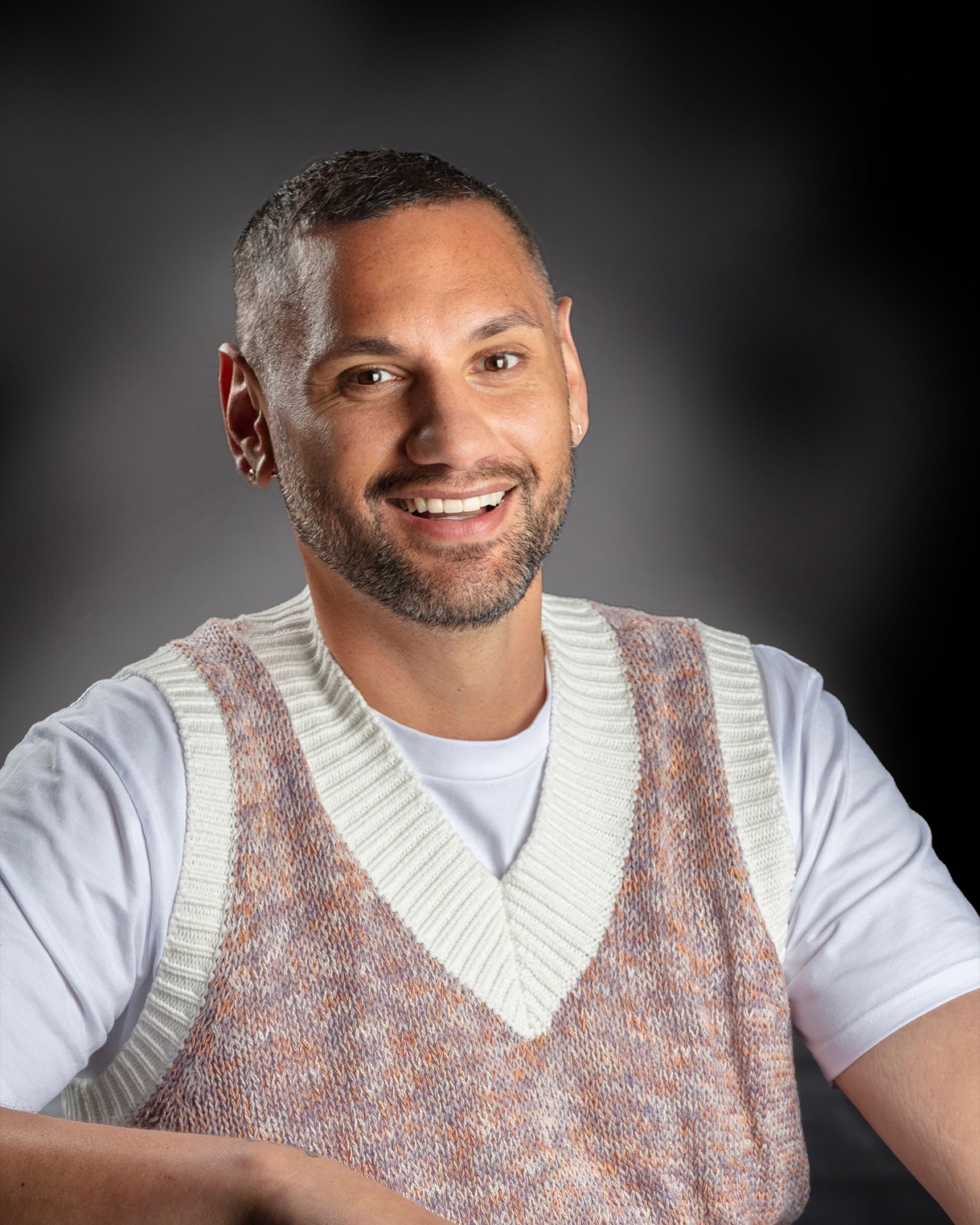
Bryan Rehutai
Working in a space where you’re underrepresented – prioritising and celebrating diversity
Te Uru Karaka Newton Central School authentically honours their commitment to Te Tiriti o Waitangi. They formalised their alternative constitution in 2023 to reflect their bicultural governance.
“What makes our school quite different is the way that Māori concepts are integrated. There's a lot of support around growing our teachers’ cultural capabilities and being able to authentically deliver curriculum through those central pou, our school values: manaakitanga, rangatiratanga, kaitiakitanga and whanaungatanga.”
Doing the right thing by his team, tamariki, and their whānau is so important to Bryan because of his school’s values, and his own Ngāti Porou and Tahitian whakapapa, a cultural background which is sadly still underrepresented in principal positions in Aotearoa.
"Especially when you are Māori or Pacific Islander… it's great to see someone [Rebbecca] coming in with an understanding and an appreciation of culture and diversity and celebrates it."
Strong, culturally responsive leadership is great for students and staff
Coaching would fall flat if it didn’t result in better outcomes for students. Bryan’s school has seen significant improvements in student achievement while behavioural incidents have been on the decline year-on-year.
Creating smoother and more cohesive transitions between classrooms and year groups, so students and staff feel safe and settled, was another of Bryan’s priorities. The reflective and strategic coaching work I’ve guided him through has gone a long way in achieving this. Students know what to expect as they move through the school, which makes for a happy and calm learning environment.
Safe and supportive coaching helps brings out the best in Bryan
In the last six years, I’ve loved seeing Bryan own his space as a positive and culturally responsive principal whose actions reflect his values. Growth-oriented too, he resists the urge to stay comfortable, plateau, or remain rigid in his positions and thinking.
"[Rebbecca] takes me how I'm landing that day. I always come out feeling lighter, but also that I've got something there. And it's that trust."
He says my coaching supports him to lead with agency, accountability and action.
‘She gets you’. A long-term relationship built on safety, trust and mutual respect (and a healthy dose of humour)
It’s been a joy to coach Bryan over several years and stages. I have his back through it all.
“I love how I've worked with [Rebbecca] for such a long time. I feel really comfortable with her. I feel safe in the sense that I can share things and not be judged.
Like Bryan, I’d love to see you grow, collaborate successfully and have a positive impact on the lives of those around you
Talk to me today about 1:1 coaching that brings together leadership theory and reflective practice, so you feel confident and capable to develop trust, commitment and vision within and across your school.